[Laryngoscopy in Otolaryngology] Tonsillectomy
Release time: 10 Feb 2026 Author:Shrek
Acute tonsillitis is defined as an acute, nonspecific inflammation of the palatine tonsils, a very common infectious disease of the pharynx.
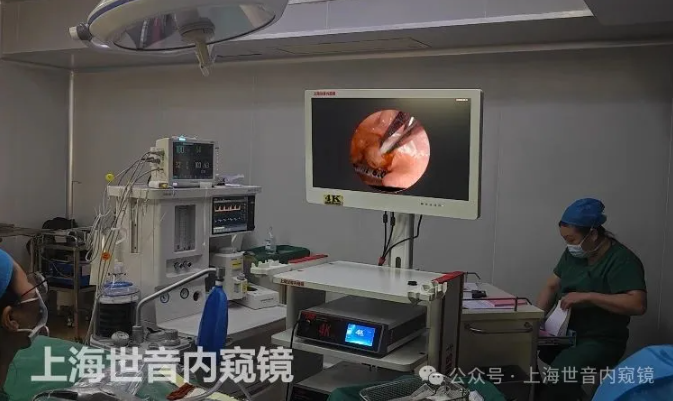
It often occurs secondary to upper respiratory tract infections and may be accompanied by varying degrees of acute inflammation of the pharyngeal mucosa and lymphoid tissue. It is particularly common in children and adolescents, and is more likely to occur during seasonal changes and temperature fluctuations.
Timing of Removal
1. In cases of recurrent acute tonsillitis, occurring twice or more per year, especially those with existing complications, tonsillectomy should be performed 2-3 weeks after the acute inflammation subsides.
2. Excessive tonsil enlargement that impairs swallowing, breathing, and speech functions.
3. Chronic tonsillitis that has become a focus of infection causing disease in other organs, or is associated with diseases of adjacent organs.
Surgical Procedure
1. General anesthesia via oral or nasal endotracheal intubation.
2. The patient lies supine with their head tilted back. The surgeon sits in front of the patient's head, using a Davis mouth opener to expose the oropharynx and reveal the tonsils to be removed.
3. The cutting energy level is set to 7-9, and hemostasis is set to 3-5.
4. Under general anesthesia, the left tonsil is exposed using the Davis mouth opener. The left tonsil is clamped with Lucas forceps; the left tonsil is then clamped and pulled to the right with the Lucas forceps, and then pulled forcefully to the opposite side to expose the palatoglossal arch boundary.
5. Use a plasma radiofrequency scalpel to cut along the palatoglossal arch mucosa, slowly cutting layer by layer until the outer membrane of the tonsils is exposed, thus exposing the peritonsillar space.
6. Expose the upper pole of the tonsil and continue to cut along the space around the tonsil and between the upper pole of the tonsil, from top to bottom or from bottom to top. During the operation, pay attention to adjusting the direction of the clamps to ensure that the space around the tonsil is clearly exposed.
7. If small bleeding points appear during the cutting process, apply a plasma knife to the bleeding wound immediately and use a hemostatic foot tamper to stop the bleeding; continue cutting from top to bottom, close to the upper pole of the tonsil capsule, until the lower pole is cut off.
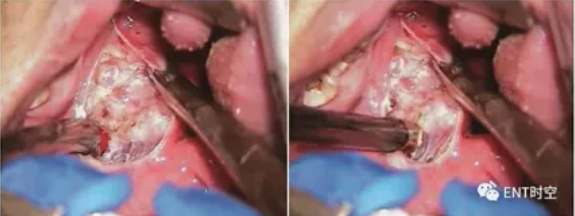
8. Finally, completely remove the tonsils from the lower pole and check the tonsillar fossa for any tonsil remnants and bleeding; small bleeding points should be hemostatically stopped using plasma radiofrequency ablation, and larger bleeding points should be hemostatically stopped using bipolar electrocoagulation.
Common Intraoperative Problems and Management
When chronic tonsillitis is severe, significant adhesions can occur between the tonsils and surrounding tissues, making visualization of the peritonsillar space difficult.
Therefore, during the procedure, after incising along the palatoglossal arch mucosa with a plasma radiofrequency ablation scalpel, the incision should be made layer by layer slowly until reaching the lateral capsule of the tonsil, avoiding excessive depth that could penetrate the tonsillar parenchyma.
Simultaneously, the direction of tonsil traction should be adjusted to maximize the exposure of the lateral boundary of the tonsil at the site of manipulation. The incision should then begin at the most prominent lateral prominence of the tonsil, which is the junction between the tonsil and its surrounding space.
The tonsils have a rich blood supply, primarily concentrated in the extratonsillar capsule and parapharyngeal space. The main causes of intraoperative bleeding are: 1) rapid incision speed; and 2) excessively deep incision, which in severe cases can accidentally penetrate the parapharyngeal space, leading to damage to major blood vessels or even the carotid artery, resulting in serious consequences.
Therefore, controlling the surgical speed, gently touching the incision tip, and incisively cutting the hypertrophic tissue layer by layer while maintaining clear layers and a clear field of vision are crucial for preventing bleeding. For minor bleeding, plasma scalpel can stop the bleeding. For bleeding from larger blood vessels, especially in adults, bipolar electrocoagulation is a more reliable method for hemostasis.
- Recommended news
- 【General Surgery Laparoscopy】Cholecystectomy
- Surgery Steps of Hysteroscopy for Intrauterine Adhesion
- [Urology Cystoscopy Section] Cystoscopic Laser Lithotripsy
- [Laryngoscopy in Otolaryngology] Tonsillectomy
- [Otolaryngology Otoscopic Section] Excision of Cholesteatoma in the External Auditory Canal